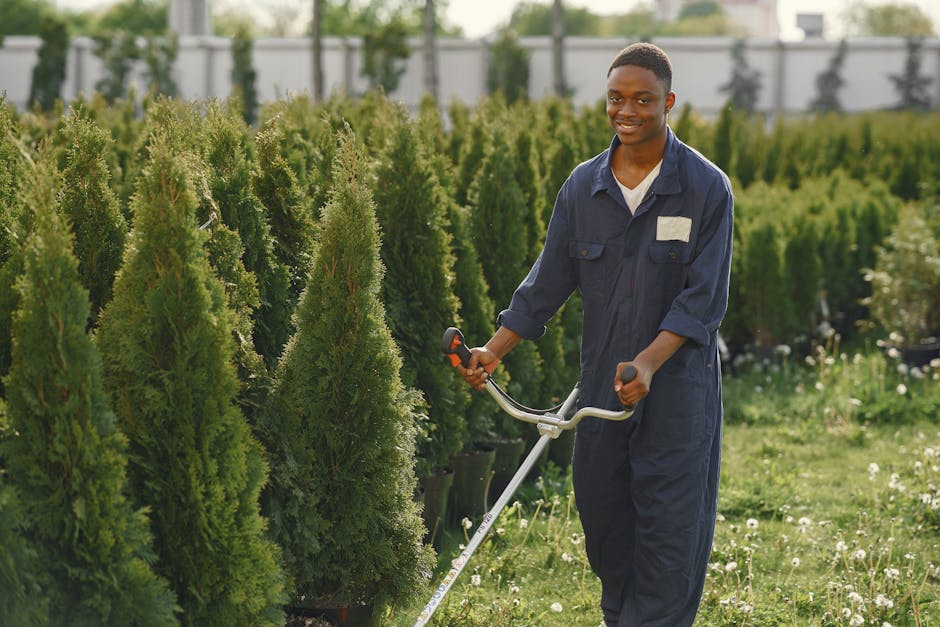
Avoid hidden charges when hiring gardeners in Willesden

Hiring a gardener should make life easier, not leave you staring at a bill and wondering where the extra costs came from. If you want to avoid hidden charges when hiring gardeners in Willesden, the answer is usually straightforward: ask better questions, compare quotes carefully, and make sure the job scope is pinned down before anyone starts cutting, clearing, trimming, or hauling waste away.
That sounds simple enough, but in real life the tricky bits are often small. Disposal fees. Travel charges. Minimum call-out fees. Extra labour for overgrown beds. Access issues at the back of the property. The odd "oh, that's not included" conversation can turn a tidy afternoon job into a surprisingly expensive one. This guide walks through the practical checks that protect your budget while still helping you hire a reliable local gardener with confidence.
And yes, this matters whether you need regular upkeep or a one-off rescue mission after a long neglected spell. Let's face it, garden work has a habit of looking deceptively simple from the patio window.
Why Avoid hidden charges when hiring gardeners in Willesden Matters
Garden services can be priced in more than one way, and that flexibility is where confusion starts. A quote might look competitive at first glance, but if it excludes waste removal, plant disposal, steep access, parking time, or additional labour, the final invoice can land much higher than expected. In a busy part of London, where access, parking, and property layouts vary so much, those small details matter a lot.
The issue is not only money. Hidden charges create friction. They make it harder to trust the gardener, and they can leave you feeling awkward about asking for clarification later. If you are planning regular upkeep, uncertainty also makes budgeting harder across the season. A clear price lets you decide whether to go ahead with routine garden maintenance, a tidy-up, or something more specific such as lawn mowing or lawn care.
There is also a quality angle here. Good professionals tend to be comfortable explaining what is included. If a gardener seems vague about costs, that may be a sign that the rest of the service is vague too. Not always, of course, but often enough to pay attention.
Practical truth: the cheapest quote is not the cheapest job if add-ons appear later. You want the total cost to be visible before the first cut is made.
How Avoid hidden charges when hiring gardeners in Willesden Works
In practice, avoiding hidden charges is about changing the way you compare quotes and agree work. Instead of asking, "How much for gardening?", ask what the price includes, what it excludes, and what would trigger an extra charge.
Most problems happen in one of four places:
- Scope creep: the job becomes bigger once the gardener sees the garden in person.
- Waste handling: the quote covers cutting back but not green waste collection or disposal.
- Time-based add-ons: the work takes longer because of heavy growth, poor access, or extra clearing.
- Specialist tasks: jobs like hedge reduction, tree work, or surface cleaning may sit outside basic maintenance pricing.
A clear quote process usually starts with a site visit or at least a detailed discussion. A decent gardener will want to know the garden size, the type of work, how overgrown things are, whether there is parking nearby, and whether tools must be carried through the house or a narrow side passage. That context changes the price. It should, anyway.
If you are comparing services, it helps to separate broad upkeep from specific tasks. For example, a regular gardening services booking may be priced differently from hedge trimming or patio cleaning. That is normal. What is not normal is finding out after the fact that every little extra was charged without warning.
Key Benefits and Practical Advantages
When pricing is transparent, you get more than a neat invoice. You get control.
- Better budgeting: you know what the job will cost before it starts.
- Fewer disputes: there is less room for disagreement about "what was included".
- Faster decisions: clear quotes help you compare providers quickly.
- More trust: open pricing usually reflects a more organised service.
- More suitable service matching: you can pick the right level of support, from a one-off tidy-up to ongoing maintenance.
There is also a practical upside that people sometimes miss: clarity improves the work itself. Once a gardener knows the exact expectation, they can bring the right equipment, allow enough time, and avoid those awkward mid-job negotiations. You know the sort of thing: a quick "just to check, do you want this pile taken away as well?" followed by a fresh charge. Fair enough if agreed upfront. Annoying if not.
For gardens with more specific needs, this becomes even more valuable. A hedge-heavy plot may need work on both the front and rear boundaries. A tired lawn may need mowing plus edging plus recovery advice. A garden with fencing issues may require a separate scope altogether. Being specific prevents drift.
Who This Is For and When It Makes Sense
This approach makes sense for almost anyone hiring a gardener in Willesden, but it is especially useful if any of the following sound familiar:
- You are booking a one-off job rather than a regular contract.
- Your garden has become overgrown and you cannot easily judge the labour involved.
- You need more than one task completed in a single visit.
- You are comparing multiple quotes and want a fair like-for-like comparison.
- You have had a surprise bill before and would rather not repeat the experience.
It is also smart for landlords, tenants, and homeowners preparing a property for sale or letting. In those situations, timing matters and there is usually less room for scope changes. A tidy, fully agreed price helps keep the project moving. If the garden has been sitting quietly and then, well, gone a bit wild over winter, a site-specific quote is usually better than a guess.
For people with larger or more complex outdoor spaces, it can be useful to think in categories. Routine upkeep may involve lawn mowing and weed control, while a heavier seasonal reset might also include clearance, hedge work, or even tree surgery. Different jobs, different cost logic.
Step-by-Step Guidance
Here is a practical way to protect yourself from surprise charges without making the process feel like an interrogation.
- Describe the job clearly. Say what you want done, where it is, and how urgent it is. "Tidy the front garden" is a start, but "cut back front hedge, clear weeds, remove green waste, and leave the path swept" is much better.
- Ask what is included. Labour, materials, waste removal, equipment use, travel, parking, and VAT if applicable should all be clear.
- Ask what is not included. This is the big one. Hidden charges usually live in the exclusions.
- Request a written quote. Even a simple email or message helps. It creates a record of what was agreed.
- Check whether the quote is fixed or estimated. Fixed prices are easier to manage. Estimates can be fine, but only if the rules for extra charges are explained.
- Confirm the trigger for any extra work. For example, if the gardener discovers embedded roots, oversized waste bags, or access problems, what happens next?
- Get the disposal question settled early. Green waste, soil, broken pots, and old timber are often priced differently.
- Agree timing and revisit points. If a job is likely to run longer than planned, ask how you will be informed before costs increase.
If you are unsure where to start, a clear service page and a proper quote process can help. The team's pricing and quotes information should tell you how estimates are handled, while about us can give you a better sense of how they work and what standards they follow.
One small but useful habit: write down the garden tasks in plain English before you call. It sounds almost too simple. It isn't.
Expert Tips for Better Results
After years of watching quotes go right and wrong, a few patterns stand out.
1. Ask for line items, not just a headline price
A single total is fine for the final number, but line items tell you how the total was built. That is where hidden costs usually reveal themselves.
2. Be specific about waste removal
"Clear cuttings" can mean different things. Does that include bagging? Loading? Disposal? One gardener may include it in the labour rate; another may list it separately.
3. Match the service to the job
Do not buy a full landscaping-style service if all you need is seasonal weeding. On the other hand, do not ask for a quick tidy if the garden actually needs a more substantial reset. Matching the task to the right service keeps pricing fair. If your project is broader, you may need to look at landscaping rather than simple maintenance.
4. Be honest about access
Narrow side passages, stairs, locked gates, basement-level gardens, and parking restrictions all affect labour time. It is better to mention them early than apologise later.
5. Ask how weather affects the schedule
Wet conditions can slow certain tasks, especially mowing, surface cleaning, or carrying heavy waste. A sensible gardener will explain whether that changes the pricing or only the timing.
6. Keep a copy of everything
Quotes, messages, and photos are helpful if there is any disagreement. Not glamorous, but very useful.
Common Mistakes to Avoid
Most hidden-charge problems do not start with bad intentions. They start with vague communication.
- Comparing only the headline price. The cheapest initial quote can be the most expensive final bill.
- Assuming waste removal is included. It often is not, at least not automatically.
- Forgetting access details. A rear garden with difficult entry is not the same as an open front plot.
- Not clarifying whether the quote is fixed. That single omission can cause most later headaches.
- Letting the scope change halfway through. "Since you're here, could you also..." is where budgets quietly drift.
- Skipping written confirmation. Verbal agreements are easy to misunderstand.
Another common one: booking a gardener for a broad clean-up, then expecting specialist work like tree reductions or fence repairs to be bundled in. They are different jobs. They should be priced differently. That is normal, not a trick.
Tools, Resources and Recommendations
You do not need a toolbox full of specialist gear to avoid hidden charges. What you do need is a tidy information trail.
- A phone camera: take before photos of the garden so everyone sees the starting point.
- A short written brief: list the tasks in order of priority.
- A note of access details: gate codes, parking limits, neighbour access, side passages, and where equipment can be stored.
- A copy of the quote: keep it in your messages or email archive.
- A simple checklist: confirm labour, materials, waste, timing, and extras before the visit.
It can also help to read a few practical guides before deciding on the scope. For example, if your garden needs a seasonal refresh, a guide like gardening basics for beginners can help you understand what is realistic for a maintenance visit. If your issue is overgrown boundaries, hedge growth and privacy may be more relevant. For planning a greener, lower-cost reset, budget-friendly garden ideas is worth a look too.
If the garden has specific features, the right service fit matters. For example, decking services may be more appropriate for a worn outdoor platform, while fencing is best for boundary repairs rather than general tidy-up work. That distinction helps prevent surprise costs in both directions.
Law, Compliance, Standards, or Best Practice
This is not legal advice, but there are some sensible UK expectations worth keeping in mind. Businesses should present pricing honestly and avoid misleading descriptions of what is included. Clear terms and conditions help set those expectations, and a transparent payment process is part of that too.
It is also reasonable to ask whether the company has appropriate insurance and follows basic health and safety practices, especially for heavier jobs, tools, ladders, or tree-related work. A professional outfit should be able to explain how it handles risk, site safety, and customer property without sounding defensive about it.
For your own protection, make sure the agreement is clear on:
- scope of work
- price or pricing method
- payment timing
- cancellation or rescheduling rules
- who pays for disposal or specialist materials
Good operators should also have accessible complaint and privacy information. Those pages are not just corporate filler; they show that the business has thought through customer trust and administrative basics. If you want to understand those areas, the company's terms and conditions, insurance and safety, and payment and security information are all sensible places to check.
One more point: if a gardener is prepared to explain these things calmly, that is usually a good sign. If they are evasive, take note.
Options, Methods, or Comparison Table
Different pricing approaches suit different jobs. The trick is knowing which one you are looking at.
| Pricing method | How it works | Good for | Watch out for |
|---|---|---|---|
| Fixed quote | One agreed price for a clearly defined job | Defined tasks, tidy-ups, repeat visits | Changes to scope can still cause extra charges if not agreed |
| Hourly rate | You pay for time spent on site | Uncertain or variable jobs | Can rise if access is poor or the garden is heavily overgrown |
| Estimate | A likely cost based on the information provided | Jobs with some unknowns | May increase if the actual work is larger than expected |
| Task-based pricing | Each job is priced separately | Mixed jobs, specialist work | Can become expensive if many small tasks are added one by one |
For many homeowners, a fixed quote is the easiest way to avoid surprise costs. For a garden with several moving parts, task-based pricing can still work well if every part is listed in advance. Hourly rates are not bad, but they require more trust and tighter communication. Nothing wrong with that, just be alert.
Case Study or Real-World Example
A typical Willesden scenario goes something like this. A homeowner books a tidy-up after months of neglect. The front looks manageable, but the back garden has thick weeds, a hedge that has gone a bit feral, and a pile of clippings from a previous DIY attempt. On first glance, the job sounds like a few hours' work.
The first quote, however, is vague: "garden tidy-up, price on inspection." That phrase can be fine, but only if the inspection leads to a clear breakdown. In this case, the gardener explains that the job includes cutting back, weeding, clearing paths, and removing green waste, but that large branch disposal would cost extra and fence repair would need a separate booking. The homeowner agrees in writing before the work begins.
Because the scope is clear, there is no awkward haggling at the end. The gardener works efficiently, the waste is handled as expected, and the final bill matches the agreement. Nothing magical. Just good communication. That is often the whole secret.
By contrast, the jobs that go wrong usually have the same pattern: vague request, vague quote, vague extras. Then everyone is frustrated. Avoidable, mostly.
Practical Checklist
Use this quick checklist before you book a gardener in Willesden.
- Have I described the work clearly and specifically?
- Do I know whether the quote is fixed, estimated, or hourly?
- Has waste removal been included or priced separately?
- Are there any access, parking, or timing issues the gardener should know about?
- Have I confirmed whether materials or specialist tools cost extra?
- Do I have the quote in writing?
- Have I checked what happens if the job turns out to be larger than expected?
- Do I understand the payment method and timing?
- Have I asked about insurance, safety, and complaints handling?
- Am I comparing like for like, not just headline price versus headline price?
Tick those boxes and you will be ahead of most people, honestly.
Conclusion
The best way to avoid hidden charges when hiring gardeners in Willesden is not to become suspicious of every quote. It is to become precise. Clear instructions, written pricing, and a proper breakdown of what is and is not included will save you money, time, and a fair bit of stress.
When you ask the right questions, you usually get better work too. People who are transparent about costs are often transparent about everything else: timing, scope, and what the garden actually needs. That kind of clarity makes the whole process easier to live with, especially when you just want the place looking neat again without the hassle.
If you are ready to take the next step, speak to a local professional, compare the details carefully, and make sure the price you agree is the price you expect to pay. That is the real win.
Get a free quote today and see how much you can save.
Frequently Asked Questions
How do I know if a gardener's quote has hidden charges?
Look for missing details. If the quote does not mention labour, waste removal, access issues, or materials, ask for clarification before agreeing. A proper quote should make the final cost easier to predict, not harder.
Should waste removal always be included in garden quotes?
Not always. Some gardeners include green waste removal in the price, while others charge separately depending on volume or disposal needs. Always ask what happens to clippings, branches, soil, and any bulky garden waste.
Is a fixed price better than an hourly rate?
Usually, yes, if the job is well defined. A fixed price gives you certainty. Hourly pricing can work for unpredictable work, but it needs stronger trust and clearer updates as the job progresses.
What are the most common extra charges in gardening work?
Common extras include waste disposal, parking or access complications, oversized hedges, heavy overgrowth, specialist equipment, and work that falls outside the original scope. Those are the usual culprits.
How can I compare gardeners fairly?
Compare the same details across each quote. Make sure each gardener is pricing the same tasks, with the same expectations about waste, timing, and materials. Otherwise you are not comparing like for like.
Should I ask for a written quote even for a small job?
Yes, if you can. Even a short written message helps avoid misunderstandings. It does not need to be formal; it just needs to record what was agreed.
What should I tell a gardener before they visit?
Be honest about the condition of the garden, access routes, parking, pets, gates, and anything that could affect time or safety. A few extra details now can prevent a surprise later.
Do gardeners charge more for overgrown gardens?
Often they do, because overgrown gardens usually need more labour, more time, and sometimes more waste handling. That is normal, but it should be explained before work begins.
Can I ask a gardener to stop if the job is getting bigger than expected?
Absolutely. If the scope is changing, pause and confirm the cost before the work continues. That is sensible, not awkward. A good gardener will understand.
What paperwork should I check before hiring a gardener?
Look for clear terms and conditions, payment information, insurance details, and a complaints process. Those pages help you understand how the business operates and how disputes would be handled.
How do I avoid paying twice for the same job?
Make sure every task is listed clearly and ask whether repeat work is included or separate. For example, routine maintenance and one-off clearance are not the same thing, even if they happen on the same day.
Is it normal for gardeners in Willesden to give quotes after a site visit?
Yes, especially for larger or less predictable jobs. A site visit helps the gardener see access, size, and complexity properly, which usually leads to a more accurate price.
What if I am still unsure whether a quote is fair?
Ask the gardener to explain how the price was built. A fair provider should be able to walk you through the labour, materials, waste, and any likely extras in plain English. If the explanation stays vague, keep looking.
If you want help with a tidy, transparent service and a clear breakdown from the start, reach out through the team's contact page and ask for a quote that spells everything out.
In the end, good gardening should leave you with a calmer view, not a painful invoice. And that, really, is what you are paying for.