 020 3744 3778
Doggy in the Garden: Strategies for Success
Posted on 23/06/2025
Doggy in the Garden: Strategies for Success
A lush, thriving garden and a happy, playful dog are two of life's finest joys. But when you combine them, it can sometimes spell chaos! From trampled tulips to dug-up vegetables, dog owners who love gardening often face unique challenges. How can you create a harmonious outdoor space that's safe for your dog and flourishing with life? This comprehensive guide will explore dog-friendly gardening strategies, garden design tips, and behavioral strategies to ensure your pup and your plants both thrive. Let's delve into the world of gardening with dogs and unlock your garden's true potential!
Why Merging Dogs and Gardens Can Be Challenging
A beautiful garden offers sensory delights for both people and their pets. Unfortunately, some canine instincts clash with the desires of gardeners! Here are a few common problems dog owners encounter:
- Digging: Many breeds love to dig, especially in freshly turned soil or mulch beds.
- Chewing: Curious dogs often chew on plants--some of which may be toxic.
- Urine Damage: Dog urine can cause unsightly yellow spots on the lawn and damage sensitive plants.
- Trampling: Playful zoomies can flatten new flowerbeds or vegetable plots in an instant.
- Territorial Marking: Marking with urine or by scratching can affect certain areas in your garden.
- Eating Mulch or Soil: Some dogs consume mulch or soil out of boredom or curiosity, which can pose health risks.
Understanding these challenges is the first step to creating a successful pet-friendly garden. Now, let's explore the best strategies for dog owners in the garden.
Effective Strategies for a Dog-Safe Garden
1. Design Your Garden with Dogs in Mind
Proactive garden design is crucial for success. Consider your dog's behavior, energy level, and needs when planning:
- Doggy Paths: Dogs will naturally find the most direct route from A to B. Create dedicated paths with soft mulch or pebbles to guide their movement and prevent plant damage.
- Sturdy Borders: Use low fencing, raised beds, or stone edging to protect your most delicate beds.
- Play Zones: Give your dog their own area for chasing, digging, or resting with shade and suitable ground cover.
- Visual Barriers: Tall grasses, shrubs, or trellises can redirect your dog away from forbidden patches.
- Secure Fences: Ensure your garden is fully fenced to keep your dog safe and secure from wandering beyond the boundaries.
2. Train and Redirect Dog Behavior
Training your dog to respect your garden is essential. Try these proven canine behavior strategies:
- Redirection: If your dog starts to dig or chew, interrupt and lead them to an approved doggy play area or toy.
- Positive Reinforcement: Reward your dog for ignoring off-limits plants or following garden paths.
- Supervision: Spend time in the garden with your dog to gently correct unwanted behaviors.
- Teach Boundaries: Use basic commands like "leave it" or "stay" to prevent mischief.
- Deterrents: Commercial pet-safe deterrent sprays, or placing citrus peels around beds, can help repel dogs from certain areas.
3. Choose Dog-Safe Plants and Materials
Many common garden plants can be toxic for dogs. When landscaping a dog-friendly garden, prioritize:
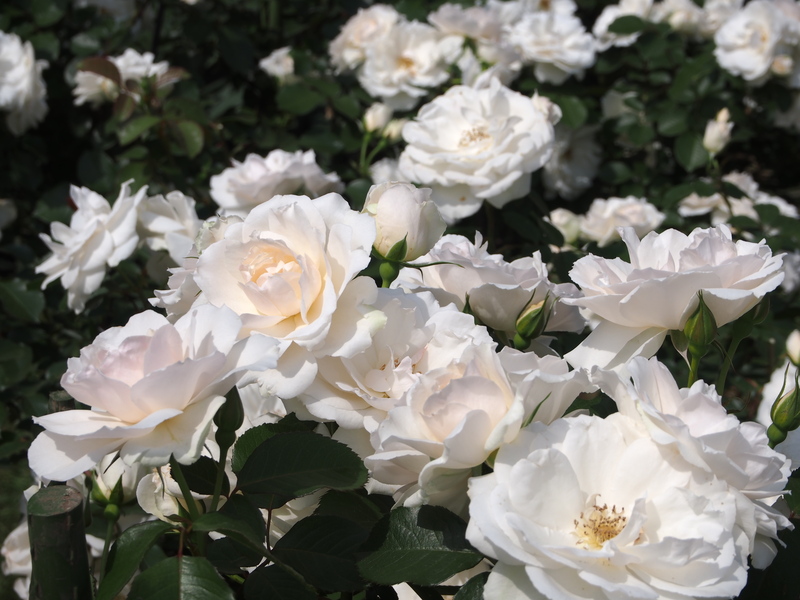
- Non-toxic Plant Species: Safe options include sunflowers, roses, snapdragons, marigolds, and camellias.
- Avoid Dangerous Plants: Steer clear of sago palm, foxglove, lilies, daffodils, azaleas, and oleander, which are toxic to dogs.
- Safe Mulch Choices: Use cedar, pine, or coconut mulch. Avoid cocoa mulch, which is highly toxic for dogs.
- Pet-Safe Pest Control: Opt for natural pest deterrents like diatomaceous earth, neem oil, or insecticidal soap instead of chemical pesticides.
4. Manage Lawn and Soil Health
Urine patches and high paw traffic can create bare spots or unsightly yellowing in your lawn. Here's how to keep your grass healthy:
- Encourage Hydration: The more water your dog drinks, the less concentrated their urine will be, reducing lawn burn.
- Designated Potty Spots: Train your dog to use a specific gravel or mulch patch for elimination.
- Immediate Watering: Hose down areas where your dog urinates to dilute the effect.
- Resilient Grass Varieties: Consider clover, ryegrass, or fescue for dog-tolerant lawns.
- Regular Reseeding: Patch and reseed affected areas to keep the turf green and lush.
5. Provide Adequate Enrichment and Exercise
A bored dog is more likely to dig, chew, or trample your precious plants! Keep your dog exercised and stimulated with these tips:
- Daily Walks and Play: Plenty of exercise outside of garden time reduces destructive tendencies.
- Toys and Treats: Scatter toys in your dog's designated area or hide treats for a fun scavenger hunt.
- Dog-Friendly Activities: Training, agility challenges, or light fetch games keep them busy and happy.
Landscape Ideas for Dog-Friendly Gardens
Creating a garden both you and your furry companion will love requires a little creativity. Here are the best dog garden design ideas:
Shady Retreats
- Install a canopy, pergola, or large shrubs for natural shade.
- Add a cooling mat or dog house so your pet can relax on hot days.
Water Features
- A shallow pond or dog splash pool provides hours of entertainment and a way to cool off.
- Ensure water is always clean and doesn't attract mosquitoes or algae growth.
Sensory Zones
- Plant herbs with pleasant scents like basil, rosemary, and lavender to delight both you and your dog.
- Include textured surfaces (mulch, pebbles, grass) for exploring paws.
Doggy Dig Pits
- Dedicate a corner of your garden to a sandbox or loose soil area where your dog is allowed to dig.
- Bury treats or toys here to encourage use.
Agility Challenges
- Use tunnels, small jumps, or weave poles to create a fun, stimulating course--perfect for active dogs!
Dangers to Watch Out For in the Garden
Even in a pet-friendly garden, certain hazards linger. Stay vigilant for these common risks:
- Fertilizers and Chemicals: Many traditional fertilizers, herbicides, and pesticides are harmful if ingested. Always choose organic, pet-safe products and store all chemicals well out of reach.
- Compost: Decaying food can contain harmful bacteria, mycotoxins, or objects (like coffee grounds, grapes) poisonous to dogs.
- Sharp Tools: Always put away rakes, shears, and other sharp objects after use.
- Insects and Wildlife: Bees, wasps, hedgehogs, or toads can pose threats. Keep a watchful eye on your dog, especially if they like to dig or chase.
Case Study: How One Family Created a Thriving Doggy Garden
Meet the Martins: devoted dog parents, avid gardeners, and proud hosts of a beautiful backyard teeming with flowers, herbs, and playful pets. Their secret? Thoughtful planning and lots of patience!
The Martins started by fencing in their garden with sturdy, pet-proof wire. They built raised beds for vegetables, which kept them above nose-height for their two Beagles. Along the fence line, they created a mulched "dog racing track" for zoomies, and tucked a shady rest spot under an old maple tree. Toxic plants were removed, and in their place grew marigolds, snapdragons, and zinnias. All compost bins were latched, and weekly play sessions kept their pups content, dramatically reducing garden mischief.
The result? A harmonious outdoor space where the dogs and garden both flourished.
Frequently Asked Questions: Doggy in the Garden
How can I stop my dog from digging up my garden?
Dedicating a dog dig pit, providing plenty of exercise, and using deterring scents (like citrus peels or vinegar) can help. Always reward good behavior and redirect digging to permitted areas.
What are the top dog-safe plants?
Safe, non-toxic options include roses, snapdragons, sunflowers, marigolds, violets, spider plants, petunias, and camellias.
Is mulch safe for my dog?
Natural mulch like pine, cedar, or coconut husk are generally safe. Avoid cocoa mulch, which is toxic to dogs. Monitor your pet to prevent them from eating too much mulch, which can cause digestive upset.
How do I fix urine spots on my lawn?
Encourage your dog to drink water, immediately dilute spots with a hose, and reseed bare patches. Designate a potty area to minimize widespread damage.
Conclusion: Your Path to a Dog and Flower-Friendly Garden
Embracing doggy in the garden strategies means more than barrier methods or giving up your favorite plants. It's about creating a harmonious outdoor space catering to your dog's instincts and your gardening desires. Through smart garden design, behavioral training, safe plant choices, and plenty of enrichment, you can have a beautiful, thriving garden that both you and your dog will adore for years to come.
Let your garden be a testament to the love you have for both plants and pets--where muddy paws and lush blooms can finally coexist in joyful harmony!
Key Takeaways
- Plan your garden design with your dog's needs and tendencies in mind.
- Choose dog-safe plants and avoid toxic species.
- Offer designated play and potty zones to minimize plant destruction.
- Keep your pet engaged and exercised to prevent boredom-related behaviors.
- Prioritize positive reinforcement and consistent training for lasting success.
With these expert-approved doggy gardening strategies, your dream of a flourishing, pet-friendly paradise is within easy reach. Happy gardening!
Latest Posts
The Best Structures for Vertical Gardening
Maximize Your Garden's Charm with Great Seating Areas
Gardening 101: 9 Crucial Tips for Absolute Beginners