
 020 3744 3778
Interactive and Playful Garden Ideas for Kids
Posted on 11/09/2025
Interactive and Playful Garden Ideas for Kids: Making Outdoor Spaces Magical!
Are you looking to transform your backyard into an enchanting space where your children can laugh, learn, and grow? Interactive and playful garden ideas for kids provide the perfect solution! Whether you have a spacious yard or a compact balcony, there are endless creative ways to cultivate a garden that inspires curiosity, boosts imaginative play, and helps little ones develop a lifelong love of nature.
Why Create a Kid-Friendly Play Garden?
A playful, interactive garden isn't just about entertainment. It offers essential developmental benefits, helping children:
- Connect with nature and understand their environment
- Develop fine and gross motor skills
- Practice patience and responsibility
- Expand their sensory experiences
- Foster creativity and problem-solving abilities
- Encourage healthy outdoor activity away from screens
With some planning and imagination, any outdoor space can be transformed into a magical play garden tailored specifically for kids. Below, you'll find a range of interactive garden ideas for children that are fun, educational, and easy to implement!
Planning Your Interactive Kids Garden
1. Get Children Involved
Start by involving your kids in the planning process! Ask them about their wishes: Do they want a secret hiding spot? A place to climb? Somewhere to dig, plant, or watch bugs? Their input will help you design a garden that truly excites them.
2. Ensure Safety First
Safety is essential when designing any children's play area. Make sure to use non-toxic, child-friendly plants, avoid sharp tools, and double-check for tripping or choking hazards.
3. Think Sensory & Accessible
Incorporate a mix of textures, colors, and fragrances for a fully immersive sensory experience. Raised beds or container gardens can be easier for little hands to reach and maintain.
Top Interactive and Playful Garden Ideas for Kids
1. Sensory Gardens for Children
A sensory garden is designed to stimulate all five senses. This type of garden encourages children to touch, smell, hear, see, and even taste the plants and features around them.
- Touch: Plant soft lamb's ear, fuzzy sage, feathery ornamental grasses, or succulents.
- Smell: Grow fragrant herbs like lavender, mint, basil, and rosemary.
- Sight: Add brightly colored flowers like marigolds, sunflowers, and zinnias.
- Sound: Incorporate wind chimes, rustling bamboo, or grasses that sway in the breeze.
- Taste: Include edible plants such as strawberries, peas, cherry tomatoes, or nasturtiums.
Children will love exploring these different elements, and the garden will become a vibrant, ever-changing playground.
2. Edible Gardens: From Seed to Snack
Kids are more likely to eat fruits and veggies they've grown themselves! Plant child-friendly edible gardens with easy-to-grow crops:
- Radishes (quick to harvest--great for the impatient!)
- Carrots, beets, and potatoes (digging is part of the fun)
- Strawberries and blueberries
- Snap peas and cherry tomatoes
Let children choose their own seeds, water the plants, and help with harvesting. You can even use your edible garden for backyard picnics or cooking fun recipes together.
3. Fairy Gardens and Miniature Worlds
Spark your kids' imaginations with a magical fairy garden or a dinosaur jungle! Use:
- Small figurines, tiny houses, and bridges
- Moss, pebbles, and miniature furniture
- Dwarf plants, succulents, and groundcovers
Create a story-filled space where children invent adventures, play, and care for their tiny, magical landscape.
4. Living Playhouses
Turn your garden into a natural hideaway with a living teepee or sunflower fort.
- Grow tall sunflowers in a circle, leaving a gap for an entrance
- Train climbing beans or peas over simple bamboo wigwams to create leafy hideouts
- Use willow branches for natural tunnels and domes
These living structures provide shade, a sense of privacy, and endless opportunities for imaginative play.
5. Digging, Mud, and Water Play Zones
A dig zone lets kids indulge in constructive (and sometimes messy!) play. Designate an area with soft soil or sand and child-size tools.
- Install a mud kitchen for mixing "recipes" from dirt, water, twigs, and leaves.
- Include water features like shallow basins, pumps, or a splash table for pouring and splashing fun.
Digging and water play aren't just fun--they help develop fine motor skills, hand-eye coordination, and cooperative play.
6. Nature Trails and Obstacle Courses
Encourage active outdoor fun with a garden obstacle course. Use logs, stepping stones, rope ladders, tires, and balance beams to create a safe circuit. Add elements like:
- Crawl tunnels made from willow or woven twigs
- Jumping pads or stumps
- A hopscotch path using painted stones or pavers
Not only will kids have a blast, but they will also improve their balance, strength, and confidence.
7. Wildlife and Bug-Friendly Features
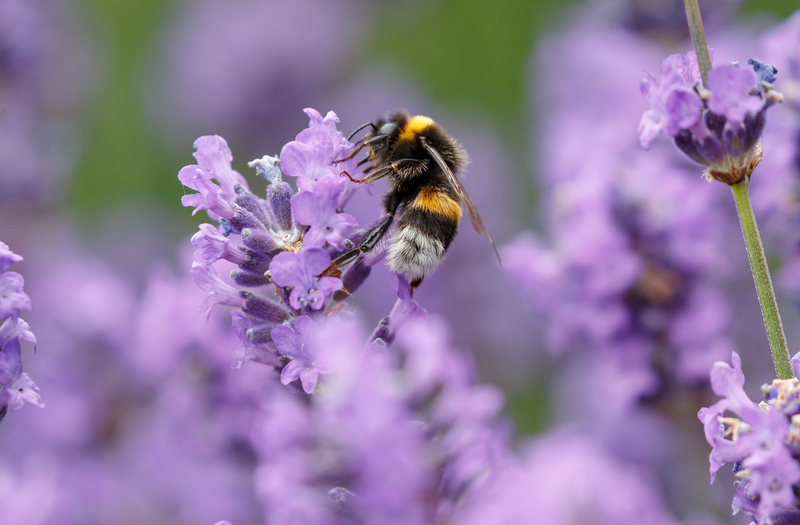
Teach children about the importance of wildlife by making your garden a haven for birds, bees, and butterflies. Try:
- Planting native flowers that attract pollinators
- Building bug hotels or butterfly houses
- Making a DIY bird feeder or birdbath
- Leaving a "wild corner" for bugs and hedgehogs
Observing these creatures will spark scientific curiosity and encourage respect for all living things.
8. Creative Play Spaces and Outdoor Art
Inspire self-expression with outdoor art stations. Set up a weatherproof table with washable paints, brushes, clay, or chalk. You can also:
- Hang an outdoor chalkboard on a fence or wall
- Create a "music wall" with old pots, pans, and metal items for drumming
- Paint rocks, plant markers, or decorate pots together
Creative play helps children develop their artistic side and adds vibrant color to your garden.
9. Secret Paths and Nooks
Children love exploring hidden places. Design winding paths through your garden using stepping stones, gravel, or bark. Tuck away:
- Small benches or hammocks in leafy corners
- Tree stumps for sitting or fairy circles
- Hidden "treasures" (painted rocks, shells, or statues) to discover
A sense of adventure and discovery makes the garden endlessly engaging.
Tips for Maintaining a Playful Garden
Keep It Flexible
Children's interests change quickly. Use moveable containers and non-permanent structures so you can easily adapt the garden as kids grow older or develop new passions.
Make it Low-Maintenance
Choose resilient, easy-care plants and landscaping materials. Mulch beds to reduce weeds, choose drought-tolerant varieties, and encourage children to help with simple tasks like watering.
Encourage Independent Exploration
Design the space so kids can play independently--without always needing adult supervision. Avoid toxic or thorny plants, keep tools child-size, and provide shaded resting areas.
Rotate Features and Activities
To keep things fresh, change up features seasonally. Rotate digging zones, add new sensory items, or introduce themed mini-gardens (for example, a "pizza garden" of basil, tomatoes, and oregano).
Getting Kids Excited About Gardening
Use these strategies to nurture budding green thumbs:
- Let them make choices: Allow children to pick seeds, plan layouts, and personalize decorations.
- Use child-sized tools: Sturdy watering cans, gloves, and trowels make gardening manageable and fun.
- Make tasks into games: Who can collect the most leaves? Which plant is the tallest this week?
- Celebrate success: Take photos, give out "gardener awards," or have a homegrown taste test.
Frequently Asked Questions About Playful and Interactive Gardens for Kids
What are the safest plants for a children's garden?
Some of the safest and easiest plants for kids include sunflowers, nasturtiums, snap peas, strawberries, marigolds, lamb's ear, and carrots. Avoid plants with thorns, spines, or those known to be toxic if ingested, such as foxglove, oleander, daffodil bulbs, and certain mushrooms.
How do I make a small space or balcony garden interactive for kids?
Container gardens are your friend! Use pots, window boxes, and vertical planters. Consider wall-mounted chalkboards or hanging sensory elements (chimes, beads). Even a tiny terrace can feature a fairy garden, bug hotel, and edible pots for playful exploration.
How can I keep my children safe in the garden?
Supervise very young children, remove any hazardous materials or chemicals, use safe gardening tools, and opt for rounded edges on furniture and stones. Regularly review the space for hazards as children (and plants) grow.
What ages are best suited for interactive garden features?
Playful garden ideas can be adapted for all ages--toddlers love sensory play and digging zones, preschoolers enjoy fairy gardens and mud kitchens, while older children relish wildlife habitats, edible gardens, and complex obstacle courses. The key is to stay flexible and evolve your garden as your child's interests change.
Conclusion: Growing Memories With Playful Gardens
Creating a kid-friendly, interactive garden doesn't require a huge budget or elaborate landscaping skills. What matters most is fostering a welcoming, imaginative, and hands-on environment where children can safely explore, create, and connect with the natural world.
With these interactive and playful garden ideas for kids, your outdoor space will become a vibrant hub of joy, learning, and lasting family memories--season after season!
Ready to start your garden adventure? Gather your little helpers and let the fun begin!
Latest Posts
The Best Structures for Vertical Gardening
Maximize Your Garden's Charm with Great Seating Areas
Gardening 101: 9 Crucial Tips for Absolute Beginners