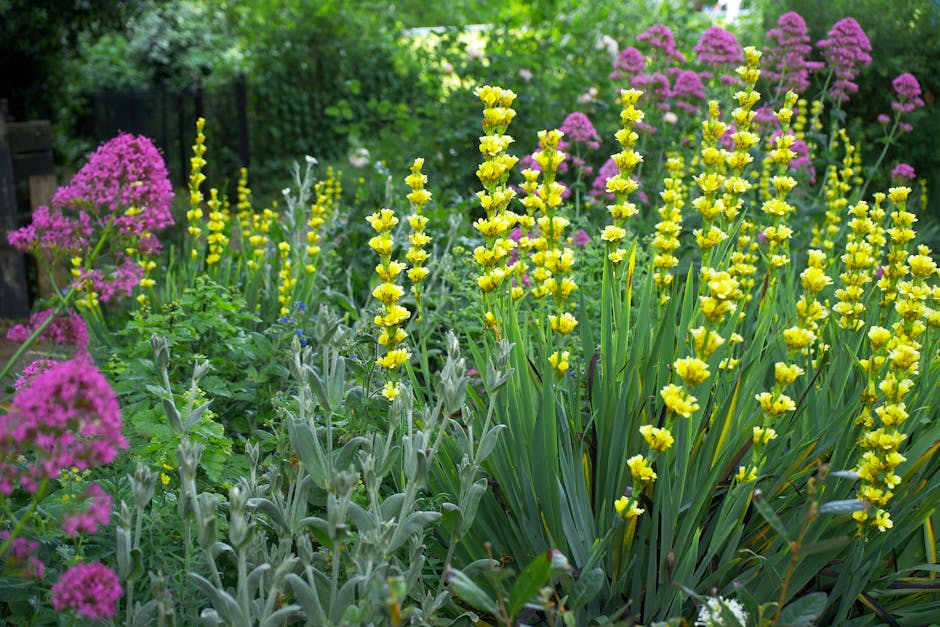
Willesden Junction front garden makeover by local gardeners
There's something quietly powerful about a front garden that just works. It lifts the house, frames the entrance, and makes the whole street feel a little more cared for. A Willesden Junction front garden makeover by local gardeners is not only about pretty planting, either. It can solve awkward access, tame tired paving, improve privacy, and create a space that looks good in February as well as June. If your front garden has become patchy, cluttered, or simply hard to live with, this guide will walk you through the practical side of turning it around without the fluff.
Local knowledge matters here. Front gardens in this part of London often have limited space, mixed soil conditions, mature boundary lines, and the usual pressure of parking, bins, wet weather, and everyday wear. The trick is to make design choices that suit the property and the street, not just a mood board. In our experience, that's where a good local gardener earns their keep.
Below, you'll find a clear breakdown of how a front garden makeover typically works, what to expect, what to avoid, and how to judge whether you need simple tidy-up work or a fuller landscaping plan. No grand promises. Just useful, grounded advice.
Table of Contents
- Why Willesden Junction front garden makeover by local gardeners Matters
- How Willesden Junction front garden makeover by local gardeners Works
- Key Benefits and Practical Advantages
- Who This Is For and When It Makes Sense
- Step-by-Step Guidance
- Expert Tips for Better Results
- Common Mistakes to Avoid
- Tools, Resources and Recommendations
- Law, Compliance, Standards, or Best Practice
- Options, Methods, or Comparison Table
- Case Study or Real-World Example
- Practical Checklist
- Conclusion
- Frequently Asked Questions
Why Willesden Junction front garden makeover by local gardeners Matters
A front garden is the first thing people notice, even if they do not consciously notice it. That's the funny bit. It sets the tone before anyone reaches the front door. A smart makeover can make a home look cleaner, calmer, and more cared for, which is especially useful on busy residential streets where first impressions carry a lot of weight.
For homeowners near Willesden Junction, the value is often practical as much as visual. Front gardens need to cope with foot traffic, narrow boundaries, variable shade, and weather that can change its mood by the hour. If the space is overgrown, muddy, or filled with awkward gaps, it becomes another thing to manage rather than something that supports daily life.
Local gardeners understand that front gardens are rarely blank slates. They are usually problem-solving spaces. A well-planned makeover can improve drainage, simplify maintenance, make room for bins or bikes, and create a planting scheme that still looks respectable when the roses have had their little seasonal sulk. Truth be told, that's what most people need: not perfection, but a front garden that behaves itself.
It also helps to think long term. A front garden designed around low-maintenance structure can reduce weekly chores and keep the space looking presentable with less effort. That means less rushed tidying before visitors arrive and fewer weekends spent wrestling weeds. Not glamorous, but very real.
Expert summary: The best front garden makeovers are the ones that balance kerb appeal, access, maintenance, and the character of the home. If it looks good but is a pain to live with, it is not really a win.
How Willesden Junction front garden makeover by local gardeners Works
A good makeover usually starts with a proper look at the existing space. That means assessing the size, soil, light levels, slope, boundaries, and how the garden is used day to day. A local gardener will often notice things that are easy to miss, such as where water sits after rain, which areas get full shade, or where the current layout creates unnecessary clutter.
From there, the work generally falls into a few clear stages. First comes clearance and preparation. Then any hard landscaping or structural changes are handled. After that, planting and finishing details shape the final look. The exact mix depends on whether you want a tidy refresh, a more usable entrance, or a full redesign.
In practical terms, the process often includes some combination of pruning, turf work, new edging, gravel or paving decisions, improved planting beds, hedge shaping, and possibly fencing or screening. Some front gardens also benefit from a cleaner route to the door, which can mean updating the path, introducing a more durable surface, or improving a tired threshold area.
One thing worth saying: a makeover should not be treated as one-off decoration. It should be designed with maintenance in mind. Otherwise it looks lovely for six weeks and then starts asking for trouble. Nobody wants that.
If you are considering a broader update, it can help to look at professional gardening support alongside more specific work such as landscaping, lawn care, or fence improvements where appropriate.
Key Benefits and Practical Advantages
Front garden makeovers deliver more than a neat before-and-after photo. The real gains tend to show up in everyday living.
- Better kerb appeal: The property looks cared for, which can matter whether you are staying put or planning to sell later.
- Less maintenance: A simpler design often means fewer weeds, fewer awkward corners, and less constant trimming.
- Improved access: Clear paths and sensible planting make it easier to get in and out, especially with shopping, prams, or wheelie bins.
- Stronger privacy and structure: Small boundary changes, hedging, or fencing can make the front of the house feel more settled.
- Better seasonal performance: Good planting gives the garden shape in winter, colour in spring, and resilience through summer dry spells.
- More usable space: Even a compact front garden can be organised to feel less cramped and more purposeful.
There is also a psychological benefit, which people often underestimate. A tidy front approach makes arriving home feel calmer. You open the gate and things just make sense. The path is clear, the planting is controlled, the entrance feels intentional. Small thing, maybe. But it adds up.
For homeowners who want ongoing upkeep after the makeover, it can be sensible to pair the initial project with regular garden maintenance so the result holds its shape rather than sliding back into chaos by mid-autumn.
Who This Is For and When It Makes Sense
This kind of project suits a wide range of households, but it is especially useful if your front garden is doing one of three things: looking tired, becoming hard to manage, or no longer fitting how you use the property.
You may be a good fit if:
- the garden has become overgrown and is stealing light from the house
- you want a smarter entrance without creating a high-maintenance job
- the current layout feels awkward, cluttered, or dated
- you need a safer, clearer path to the front door
- you want better screening without making the front of the home feel closed off
- you are preparing to rent, sell, or simply refresh the property's look
It also makes sense if you have tried quick fixes and they never quite hold. A bit of weeding here, a new plant there, maybe a weekend with a hedge trimmer... and yet the garden still feels messy. That's usually a sign the structure needs attention, not just the surface.
On the other hand, if the front garden is small and already fairly functional, a lighter-touch approach may be enough. Sometimes the smartest move is not a full redesign, but a sharper layout, stronger edging, better planting choice, and a proper clear-out. Simple, but effective.
Step-by-Step Guidance
A front garden makeover is easier to manage when it is broken into clear stages. Rushing from idea to planting bed usually ends with expensive rework. Better to think it through once, then do it properly.
- Assess the space honestly. Look at what is working and what is not. Note the sunny areas, shady corners, drainage issues, access points, and anything that feels visually heavy.
- Set a purpose. Do you want a neat entrance, more privacy, lower maintenance, or a stronger design statement? If you skip this part, the result can become a bit of everything and master of none.
- Clear the clutter. Remove dead growth, broken containers, stubborn weeds, and any features that no longer serve the space. A lot of front gardens improve simply by breathing again.
- Decide what stays. Mature shrubs, trees, or boundary features can sometimes be shaped into the new design. Other times, they need reducing or removing.
- Plan the hard edges. Paths, borders, retaining details, and boundary lines should be clear before planting starts.
- Choose planting that suits the site. Use plants that handle the light, exposure, and maintenance level you actually want.
- Finish with practical details. Mulch, edging, clean paving, and simple access routes make a huge difference to the final result.
If heavy clearance is needed, a service such as garden clearance may be the first sensible step before the redesign begins. And if there are trees crowding the space, it may be worth looking at tree surgery or tree lopping and removal where appropriate and safe.
Keep checking the view from the street as the work progresses. A front garden is read in layers: gate, path, planting, doorway. If one layer feels off, the whole thing can look a bit uncertain. Not broken, just unfinished.
Expert Tips for Better Results
Good front garden design is often about restraint. More plants is not automatically better. More features is definitely not automatically better. The strongest results tend to come from clean structure, a few well-chosen focal points, and planting that behaves itself.
- Use repetition for calm: Repeating one or two plant forms creates order and makes a small front garden feel larger.
- Think in all seasons: Include evergreen structure so the garden still looks intentional in winter.
- Keep the route to the door obvious: People should not have to pick their way through planting to reach the entrance.
- Choose boundary details carefully: A modest fence, hedge, or edge treatment can frame the space without overpowering it.
- Match the style of the house: A modern front can take sharper lines; a period property often benefits from softer planting and more traditional proportions.
- Don't ignore maintenance access: If you cannot easily get to the back of a bed or behind a hedge, the space will become annoying faster than you expect.
One practical trick: stand at the pavement and look back at the property from about the height of an arriving visitor. That's the view that matters. You will spot clutter, weak lines, and awkward plant placement much faster that way. A little old-school, but it works.
If you want the front garden to feel polished rather than busy, a small amount of patio cleaning or path cleaning can dramatically improve the overall impression. Dirty hard surfaces can make even a decent planting scheme look neglected.
Common Mistakes to Avoid
Most disappointing front garden projects fail for the same predictable reasons. The good news? They are avoidable.
- Overplanting: A crowded front garden looks lush for a short while, then becomes hard to maintain and visually noisy.
- Choosing plants without considering light: Shade-loving plants will sulk in full sun, and sun lovers can end up thin and stressed in shade.
- Ignoring drainage: If water pools after rain, planting will struggle and muddy access becomes a nuisance.
- Mixing too many materials: Gravel, brick, timber, concrete, and decorative features can compete with each other if you are not careful.
- Forgetting the view from indoors: A garden should look good from the window too, not just from the pavement.
- Making maintenance too complicated: If the design needs constant editing, it will start looking tired quite quickly.
Another common issue is trying to keep everything. Sentimental shrubs, old edging, broken ornaments, the lot. To be fair, we all do it a bit. But part of a successful makeover is deciding what deserves a place in the new layout and what should go. That decision is often where the improvement really begins.
For example, if a hedge is taking over the garden and dragging the whole design down, hedge trimming may restore shape, while stubborn overgrowth may need a more complete reset.
Tools, Resources and Recommendations
Not every front garden makeover needs heavy equipment, but the right tools make the work cleaner and safer. The exact setup depends on the scale of the project.
- Hand tools: Spades, forks, trowels, secateurs, edging tools, and pruning saws for detailed work.
- Cutting equipment: Hedge trimmers, strimmers, and lawn equipment where there is grass or dense growth to manage.
- Ground preparation tools: Rakes, compacters, wheelbarrows, and soil improvers for reworking beds and surfaces.
- Cleaning tools: Pressure or surface cleaning equipment for paths and hardstanding, used carefully and in the right setting.
- Layout aids: String lines, pegs, tape measures, and simple marking tools for keeping borders and paths straight.
In many cases, the most useful "resource" is not a gadget at all but a clear plan. A sketch, a few site measurements, and a note of what the space must do are often enough to avoid costly drift. If the project needs a bigger design rethink, a local landscape gardening approach may be more appropriate than a basic tidy-up.
It is also worth thinking about aftercare from the start. A front garden that is meant to stay neat may need mowing, seasonal pruning, or periodic bed refreshes. That is where ongoing lawn mowing or routine maintenance can keep the whole thing on track. A garden is a living system, after all, not a showroom set. Slightly annoying, but true.
Law, Compliance, Standards, or Best Practice
Front garden work in the UK is usually straightforward, but there are still sensible rules and norms to respect. If the project involves trees, fences, drainage alterations, or work close to boundaries, careful checking is wise before anything major is changed.
Local gardeners should also work with basic safety expectations, especially where tools, lifting, cutting, and waste removal are involved. Good practice usually includes safe use of equipment, clear working areas, sensible protective gear, and proper disposal or recycling of garden waste where possible. If you are comparing providers, it is reasonable to ask about insurance, safety practices, and how waste is handled. Those questions are not fussy. They are normal.
For properties near pavements or shared access points, attention to trip hazards matters too. Temporary debris, loose edging, or stacked materials should not block paths. It sounds obvious, but in real life these things get forgotten when a job is underway and the morning light is in your eyes.
It is also sensible to check whether any trees or hedges are protected or subject to restrictions before making major changes. If in doubt, the safer route is to ask before cutting. That is a better day than finding out after the fact.
Trusted providers should be open about working practices, and you can usually learn a lot from how clearly they explain the job. If that matters to you, pages such as insurance and safety and health and safety policy are useful indicators of how seriously a business treats the basics.
Options, Methods, or Comparison Table
Not every front garden needs the same kind of intervention. Sometimes the answer is a light refresh. Other times, the whole layout needs rethinking. This comparison helps show the difference.
| Approach | Best for | What it usually includes | Main advantage | Possible drawback |
|---|---|---|---|---|
| Tidy-up refresh | Gardens that are basically sound but messy or tired | Weeding, pruning, edging, light planting, surface cleaning | Quick improvement with modest disruption | Won't solve deeper layout problems |
| Low-maintenance redesign | Owners who want a cleaner look and less weekly work | New borders, simplified planting, practical surfaces, clearer access | Easier to live with long term | Needs thoughtful planning up front |
| Full front garden makeover | Spaces with major overgrowth, poor structure, or awkward layout | Clearance, landscaping, possible fencing, planting redesign, path updates | Transforms how the space looks and functions | More time, planning, and budget required |
If the front garden is completely overrun, a fuller intervention may include garden clearance first, then a more structured rebuild. If it already has strong bones, a lighter route can save money and keep disruption down. That's the bit people sometimes skip: not every garden needs a grand overhaul.
Case Study or Real-World Example
Imagine a typical front garden near Willesden Junction: a narrow patch with tired turf, a few overgrown shrubs, a cracked edge, and a path that feels slightly swallowed by the planting. Nothing dramatic. Just a space that looks a bit defeated every time you come home.
A sensible makeover might begin with clearing dead growth and reducing the shrubs that are crowding the entrance. The next step could be reshaping the borders so the path has a proper visual line. Then a mix of hardy evergreen structure and seasonal colour could be added, with mulch or stone used to reduce weeds and tidy the finish. If the paving is grubby, cleaning it lifts the whole look instantly. Honestly, sometimes that one step makes people blink twice.
The result is not just prettier. It is easier to use. The entrance becomes obvious, the plants have room to grow, and upkeep becomes a weekly 20-minute job rather than an all-day battle. That is the quiet success of a good front garden makeover: it stops being something you wrestle with and starts being something that supports the home.
When a project is handled by local gardeners who understand the area's property styles and everyday pressures, the design usually feels more natural too. Less showpiece, more right-for-the-house. That matters.
Practical Checklist
Use this checklist before starting your front garden project. It helps keep the scope sensible.
- Decide whether you want a refresh, a redesign, or a full makeover
- Note where the garden gets sun, shade, and heavy rain exposure
- Measure the entrance, path, and border areas accurately
- Identify plants, trees, or hedges worth keeping
- Remove clutter, broken items, and anything that blocks the layout
- Check for drainage issues, especially after wet weather
- Choose materials that suit the house and are easy to maintain
- Plan how the garden will look in winter, not just in peak summer
- Think about ongoing care after the work is complete
- Ask about safety, insurance, recycling, and waste removal
Before booking work, it can also help to review pricing and quotes so you understand what is included and what might change if the scope grows. A clear quote saves a lot of back-and-forth later.
Get a free quote today and see how much you can save.
Conclusion
A front garden makeover is one of the most satisfying improvements you can make to a home, especially when it is done with a practical eye. Around Willesden Junction, where many gardens need to work hard in compact spaces, the best results usually come from clear planning, sensible plant choices, and a design that fits everyday life rather than fighting it.
Local gardeners bring more than labour. They bring judgement, timing, and a feel for what will actually hold up once the work is finished. That is worth a lot. The goal is not just to make the front of the property look better for a week or two, but to build something easy to live with, easy to maintain, and quietly impressive in the day-to-day.
If your front garden has been nagging at you for a while, that is often the sign it is ready for a reset. Start with the basics, keep the design honest, and let the space breathe a bit. You may be surprised how much difference it makes.
A good front garden does not shout. It welcomes.
Frequently Asked Questions
What is included in a front garden makeover?
It can include clearance, pruning, border reshaping, planting, lawn work, path cleaning, fencing changes, and sometimes small landscaping improvements. The exact scope depends on the state of the garden and the result you want.
Do I need a full redesign or just a tidy-up?
If the garden is basically functional but looks untidy, a refresh may be enough. If the layout feels awkward, overgrown, or hard to maintain, a redesign is usually the better call.
How long does a front garden makeover usually take?
That depends on size, access, and how much clearing or rebuilding is needed. A light tidy-up may be quick, while a more complete project can take longer because of preparation and finishing work.
Can local gardeners help with low-maintenance front garden ideas?
Yes. That is often one of the main reasons people bring in local gardeners. They can suggest planting and layout choices that look neat without creating a constant maintenance burden.
What should I do first if my front garden is overgrown?
Start with clearance. Once the clutter is gone, you can see the real shape of the space and decide what should stay, what should be reduced, and what needs replacing.
Is it worth cleaning the paving as part of the makeover?
Usually, yes. Dirty hard surfaces can drag the whole look down. A clean path or frontage makes planting and structural improvements stand out much better.
Do front garden makeovers improve property appearance?
They often do, because the front garden is the first thing people see. A neat, balanced entrance creates a stronger first impression and makes the home feel better cared for.
What plants work well in a small front garden?
Plants that stay compact, tolerate the site conditions, and provide structure through more than one season are usually the safest choice. Evergreen shapes and a few seasonal highlights often work better than crowded mixed planting.
Should I include fencing or hedging in the design?
Sometimes. If privacy, boundary definition, or visual structure is needed, a modest fence or hedge can help. The key is not to overdo it so the front of the home still feels open and welcoming.
What are the most common mistakes in front garden makeovers?
Overplanting, ignoring drainage, using too many materials, and choosing a design that is hard to maintain. Those four come up again and again, and they are all avoidable with a bit of planning.
How do I know if I need landscaping rather than simple gardening work?
If the space needs structural changes, better access, new borders, or surface updates, landscaping may be more suitable. If the layout is sound and only needs cleaning up, regular gardening work may be enough.
Can I keep mature trees or shrubs during the makeover?
Often, yes. Healthy mature features can add instant character. Sometimes they just need shaping or reducing to fit the new plan. If they are causing problems, a professional assessment is wise before deciding on removal.